
Along the Texas Gulf Coast designated catastrophe areas—encompassing 14 coastal counties including Galveston, Brazoria, Jefferson, and Chambers—insuring a home against hurricane-force windstorms and hail requires strict adherence to Texas Department of Insurance (TDI) building specifications. Without a valid TDI Certificate of Compliance (Form WPI-8 or WPI-8-E), property owners find themselves shut out of the Texas Windstorm Insurance Association (TWIA), leaving them vulnerable to astronomical private insurance premiums or total lack of coverage.
1. What Is a TDI WPI-8 Certificate?
The Texas Legislature created the TDI windstorm inspection program to ensure structures built or renovated along the coast can withstand Category 3, 4, and 5 hurricane wind loads (typically 120 mph to 150 mph basic wind speeds). Under Texas Insurance Code Chapter 2210, a Certificate of Compliance (WPI-8) confirms that a qualified windstorm inspector or appointed Texas Professional Engineer physically inspected the installation while work was underway.
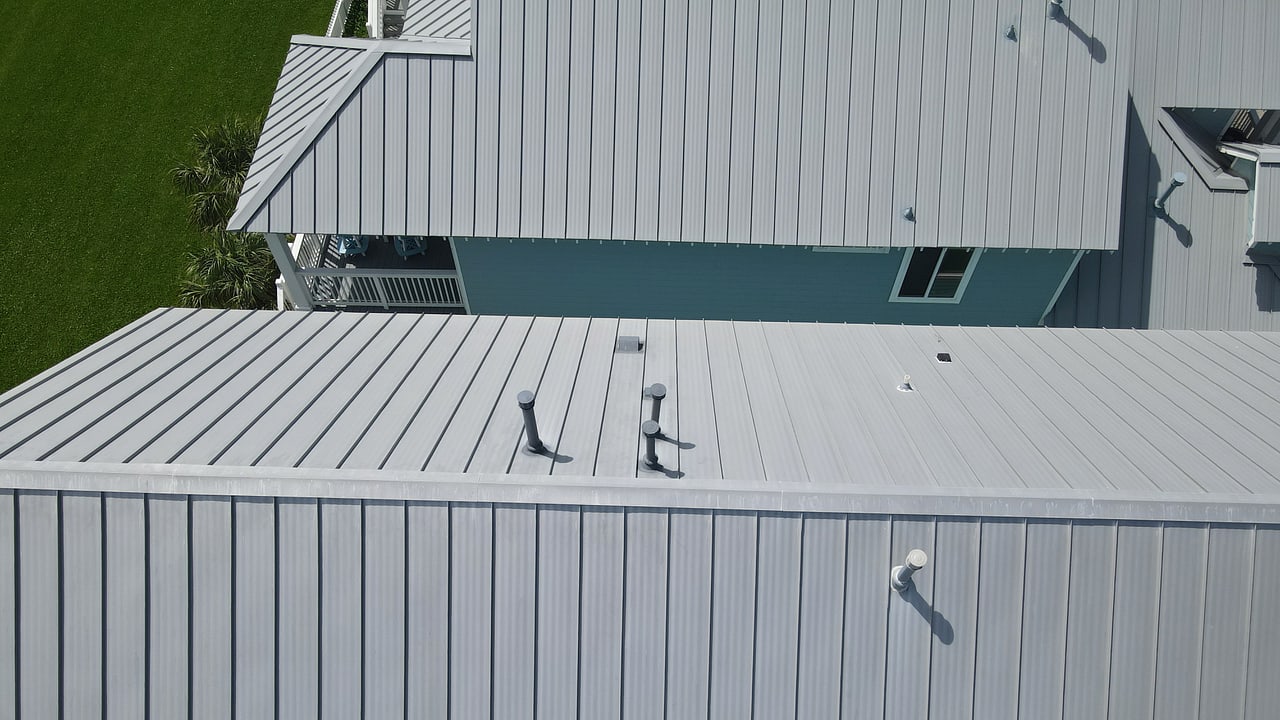
Components requiring certification include: new roof coverings, re-roofs, exterior window and door replacements, vinyl/hardie siding installation, garage doors, and attached shade structures (pergolas, carports, and covered decks).
2. WPI-8 vs. WPI-8-E: The Post-Construction Exception
Historically, if a contractor installed a roof without calling for TDI inspections during installation, the roof could never be certified. However, the Texas Legislature enacted the WPI-8-E (Post-Construction Certification) process. Under this pathway, a licensed Texas Professional Engineer must conduct non-destructive testing, attic rafter nail verification, and fastener uplift tests to certify the finished installation.
3. What Coastal Home Inspectors Audit
During our coastal property inspections across Galveston and Brazoria, Secured Inspections verifies:
- Matching TDI database records against the physical shingle brand, color, and layer count.
- Fastener pattern in the attic (verifying 6-nail high-wind shingle fastening patterns and ring-shank roof deck nails).
- Windstorm-rated impact garage doors featuring horizontal reinforcement U-bars and minimum 30+ psf wind-pressure ratings.
4. Coastal Building Science & Hurricane Hardening Standards
Properties built along the Texas Gulf Coast face distinct environmental stressors that inland structures rarely encounter. Preserving building longevity and insurance eligibility requires rigorous adherence to coastal building science principles:
- TDI Catastrophe Area Compliance: Verifying continuous structural load paths from roof rafters through wall framing down into foundation pilings in accordance with Texas Department of Insurance (TDI) windstorm building codes.
- Marine Atmospheric Corrosion Protection: Auditing exterior mechanical disconnects, HVAC condenser coils, and structural fasteners for hot-dip galvanized or 316 stainless steel coatings to resist aggressive sodium chloride salt fog corrosion.
- Psychrometric Moisture Management: Evaluating building envelope air-tightness, vapor retarder placement, and dedicated dehumidification systems to prevent hot humid outdoor air from condensing against air-conditioned interior surfaces.
- Storm Surge and Hydrostatic Relief: Ensuring ground-level enclosures below the Base Flood Elevation (BFE) incorporate engineered hydrostatic flood vents and breakaway wall assemblies to protect primary structural supports during extreme storm surge events.
Understanding these localized Gulf Coast building dynamics empowers property owners to make informed purchasing decisions, lower annual flood and windstorm insurance premiums, and protect against catastrophic storm losses.
Need an Objective Forensic Property Inspection?
Residential Pre-Purchase, ASTM E2018 Commercial PCAs, Termite WDI, Sewer Camera Scopes, and FLIR Thermal Infrared diagnostics across Greater Houston, Galveston, and Brazoria.
