
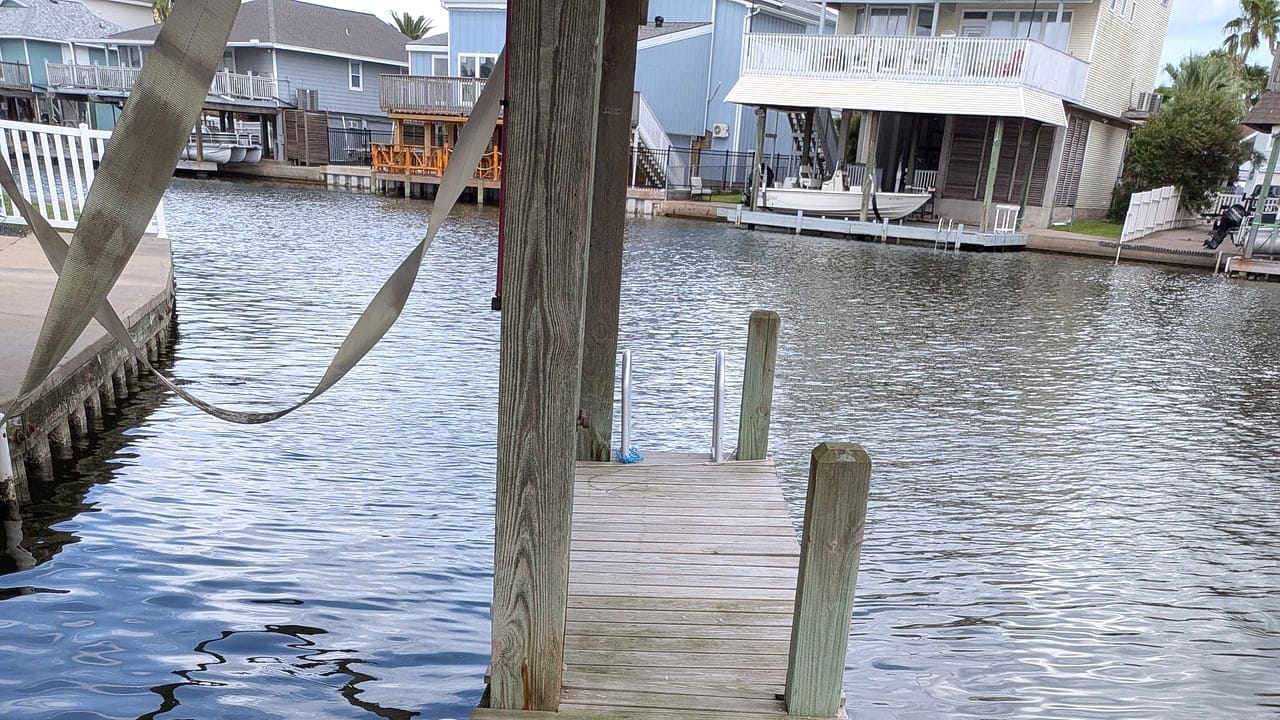
Along the Texas Gulf Coast—from Galveston and Seabrook to Freeport and Port Arthur—flooding is the most frequent and costly natural hazard threatening real estate. Following FEMA's rollout of the Risk Rating 2.0 insurance pricing methodology, property insurance rates are no longer determined strictly by general map zones; they are actuarially computed based on exact foundation type, distance to water, and structural elevation relative to the Base Flood Elevation (BFE).
1. Decoding the FEMA Flood Zone Designations
FEMA Flood Insurance Rate Maps (FIRMs) categorize coastal terrain into distinct risk tiers:
- Zone VE (Coastal High Hazard Area): The highest-risk coastal zone, subject to high-velocity wave action (breaking waves 3 feet or higher during the 100-year base flood). Living floors must be elevated on open pilings or shear walls; ground-level enclosures must be constructed of breakaway lattice or insect screening.
- Zone AE: Areas subject to 1% annual chance flooding (100-year flood), but without high-velocity breaking waves. Structures can utilize elevated stem walls or crawlspaces equipped with certified flood vents.
- Zone X (Shaded / Unshaded): Moderate-to-minimal flood hazard areas outside the 100-year floodplain. While flood insurance is not federally mandated for federally backed mortgages in Zone X, over 25% of all National Flood Insurance Program (NFIP) claims occur within Zone X.
2. The Crucial FEMA Elevation Certificate (Form FF-206-FY-22-152)
An Elevation Certificate executed by a licensed Texas professional land surveyor establishes the precise vertical coordinates of the building: the finished floor elevation (FFE), lowest adjacent grade (LAG), highest adjacent grade (HAG), and the elevation of mechanical equipment (AC compressors, water heaters, and electrical panels). In coastal zones, mechanical equipment mounted below the BFE will trigger severe insurance rate surcharges.
3. Engineered Hydrostatic Flood Vents in AE Enclosures
Under 44 CFR §60.3, enclosed ground-floor areas below the BFE used solely for parking, storage, or building access must be equipped with flood openings that allow automatic entry and exit of floodwaters. Without functional hydrostatic vents, the unequal pressure of rising floodwaters outside crushes foundation walls inward, triggering building structural collapse.
4. Coastal Building Science & Hurricane Hardening Standards
Properties built along the Texas Gulf Coast face distinct environmental stressors that inland structures rarely encounter. Preserving building longevity and insurance eligibility requires rigorous adherence to coastal building science principles:
- TDI Catastrophe Area Compliance: Verifying continuous structural load paths from roof rafters through wall framing down into foundation pilings in accordance with Texas Department of Insurance (TDI) windstorm building codes.
- Marine Atmospheric Corrosion Protection: Auditing exterior mechanical disconnects, HVAC condenser coils, and structural fasteners for hot-dip galvanized or 316 stainless steel coatings to resist aggressive sodium chloride salt fog corrosion.
- Psychrometric Moisture Management: Evaluating building envelope air-tightness, vapor retarder placement, and dedicated dehumidification systems to prevent hot humid outdoor air from condensing against air-conditioned interior surfaces.
- Storm Surge and Hydrostatic Relief: Ensuring ground-level enclosures below the Base Flood Elevation (BFE) incorporate engineered hydrostatic flood vents and breakaway wall assemblies to protect primary structural supports during extreme storm surge events.
Understanding these localized Gulf Coast building dynamics empowers property owners to make informed purchasing decisions, lower annual flood and windstorm insurance premiums, and protect against catastrophic storm losses.
Need an Objective Forensic Property Inspection?
Residential Pre-Purchase, ASTM E2018 Commercial PCAs, Termite WDI, Sewer Camera Scopes, and FLIR Thermal Infrared diagnostics across Greater Houston, Galveston, and Brazoria.
