
Historic homes constructed between 1880 and 1940 across Southeast Texas—including Victorian cottages in Galveston, historic Craftsman bungalows in Houston's Heights, and coastal farmhouses in Brazoria County—feature remarkable architectural character. Supported by pier-and-beam foundation assemblies, these structures possess incredible longevity but require meticulous forensic inspection to evaluate century-old framing systems.
1. Vintage Pier Materials: Cedar, Cypress & Bois d'Arc
Early Texas builders selected naturally rot-resistant timber species for ground piers: rough-cut Mountain Cedar (Juniperus ashei), Bald Cypress, and exceptionally dense Bois d'Arc (Osage Orange). In more affluent historic homes, piers were constructed of stacked lime-mortar brick columns or poured-in-place unreinforced concrete blocks.
Over a century of exposure to rising groundwater and subterranean termites, even natural resins break down. Cedar posts rot from the bottom up, while historic lime mortar between brick piers crumbles under repeated moisture saturation.
2. The Shim Failure Phenomenon
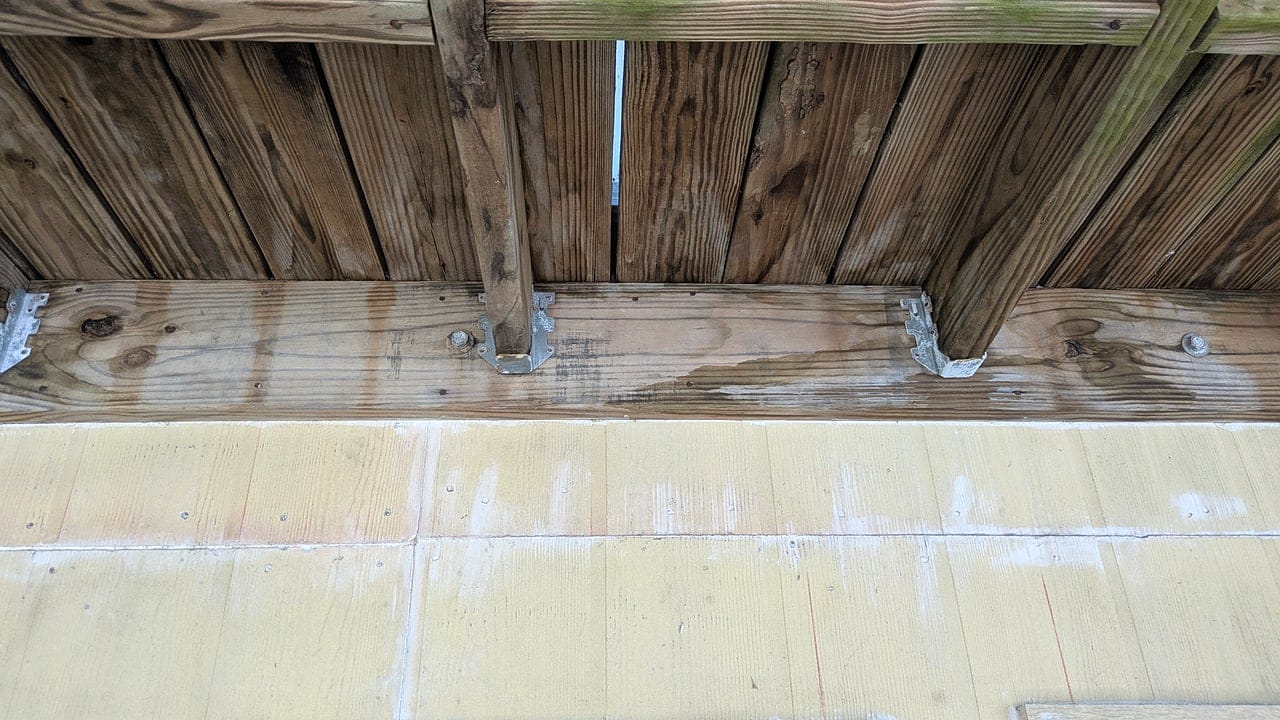
To level floor girders across settling piers, generations of carpenters inserted wooden shims between the top of the pier and the main structural beam. Over decades, these soft pine shims compress under building dead loads, rot from crawlspace humidity, or are eaten by wood-boring beetles. As shims disintegrate, the girder drops 1/2 to 1 inch, creating uneven, bouncy floors and cracking interior lath-and-plaster walls.
3. Subterranean Termite Mud Tubes on Piers
Pier-and-beam crawlspaces are prime hunting grounds for Subterranean Termites (Reticulitermes virginicus). Termites construct earthen shelter mud tubes up the vertical face of masonry piers to bridge the gap between damp soil and wooden floor framing. Secured Inspections probes girders, sills, and joists with sounding hammers and moisture meters to detect internal hollow galleries.
4. The Engineered Restoration Standard
Modern restoration standards mandate replacing deteriorated timber posts with drilled concrete bell-bottom piers or steel helical piers. Main carrier girders must be jacked back to level using hydraulic manifolds and permanently secured using galvanized steel shims and tie-down brackets.
5. Coastal Building Science & Hurricane Hardening Standards
Properties built along the Texas Gulf Coast face distinct environmental stressors that inland structures rarely encounter. Preserving building longevity and insurance eligibility requires rigorous adherence to coastal building science principles:
- TDI Catastrophe Area Compliance: Verifying continuous structural load paths from roof rafters through wall framing down into foundation pilings in accordance with Texas Department of Insurance (TDI) windstorm building codes.
- Marine Atmospheric Corrosion Protection: Auditing exterior mechanical disconnects, HVAC condenser coils, and structural fasteners for hot-dip galvanized or 316 stainless steel coatings to resist aggressive sodium chloride salt fog corrosion.
- Psychrometric Moisture Management: Evaluating building envelope air-tightness, vapor retarder placement, and dedicated dehumidification systems to prevent hot humid outdoor air from condensing against air-conditioned interior surfaces.
- Storm Surge and Hydrostatic Relief: Ensuring ground-level enclosures below the Base Flood Elevation (BFE) incorporate engineered hydrostatic flood vents and breakaway wall assemblies to protect primary structural supports during extreme storm surge events.
Understanding these localized Gulf Coast building dynamics empowers property owners to make informed purchasing decisions, lower annual flood and windstorm insurance premiums, and protect against catastrophic storm losses.
Need an Objective Forensic Property Inspection?
Residential Pre-Purchase, ASTM E2018 Commercial PCAs, Termite WDI, Sewer Camera Scopes, and FLIR Thermal Infrared diagnostics across Greater Houston, Galveston, and Brazoria.
