
In the extreme cooling environment of the Texas Gulf Coast, residential and commercial comfort depends on controlling two independent thermodynamic variables: sensible heat (air temperature measured on a thermometer) and latent heat (invisible water vapor content measured as relative humidity). When air conditioning systems are improperly sized, buildings suffer poor comfort, elevated energy bills, and dangerous indoor fungal amplification.
1. Sensible vs. Latent Heat in Coastal Building Science
Air conditioning systems perform two distinct tasks simultaneously:
- Sensible Cooling: Lowering the dry-bulb temperature of the air as it passes across the cold evaporator coil.
- Latent Cooling (Dehumidification): Condensing moisture vapor out of the air. As humid return air passes across a 45°F coil, water vapor condenses into liquid water and drains outside through the primary condensate line.
Crucially, latent moisture removal requires time. During the first 7 to 10 minutes of an AC operating cycle, the evaporator coil is simply chilling down to its operating temperature; virtually zero water condenses and drains. Meaningful moisture extraction only occurs between minutes 10 and 25 of continuous compressor run time.
2. The Pathology of the Oversized "Short-Cycling" System
When an HVAC contractor installs an oversized system (e.g., installing a 4-ton unit on a 1,800 sq ft home that only requires 2.5 tons according to Manual J calculations), the system blasts cold air into the living space, satisfies the thermostat setpoint in 6 to 8 minutes, and shuts down.
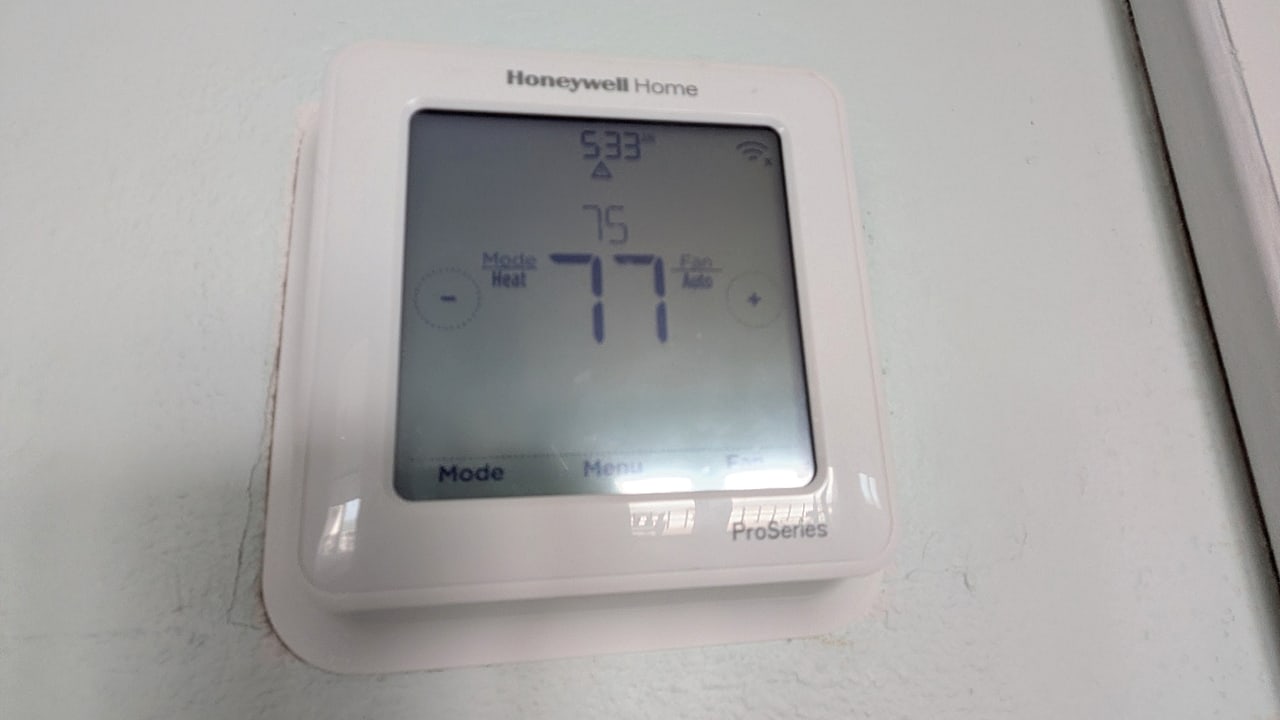
Because the system short-cycles, moisture is never removed from the air. The homeowner feels cold and clammy, drops the thermostat to 66°F to feel comfortable, and drives interior drywall temperatures below the dew point of the unconditioned wall cavities. Condensation forms behind walls, warping baseboards and cultivating toxigenic mold blooms.
3. What Home Inspectors Measure
Secured Inspections measures both dry-bulb supply/return temperature split (normal range 15°F to 20°F differential) and ambient indoor Relative Humidity (RH) using calibrated thermo-hygrometers. Under ASHRAE 55 standards, indoor relative humidity should remain between 35% and 55%. Indoor humidity consistently exceeding 60% indicates severe equipment sizing or latent capacity failure.
4. Coastal Building Science & Hurricane Hardening Standards
Properties built along the Texas Gulf Coast face distinct environmental stressors that inland structures rarely encounter. Preserving building longevity and insurance eligibility requires rigorous adherence to coastal building science principles:
- TDI Catastrophe Area Compliance: Verifying continuous structural load paths from roof rafters through wall framing down into foundation pilings in accordance with Texas Department of Insurance (TDI) windstorm building codes.
- Marine Atmospheric Corrosion Protection: Auditing exterior mechanical disconnects, HVAC condenser coils, and structural fasteners for hot-dip galvanized or 316 stainless steel coatings to resist aggressive sodium chloride salt fog corrosion.
- Psychrometric Moisture Management: Evaluating building envelope air-tightness, vapor retarder placement, and dedicated dehumidification systems to prevent hot humid outdoor air from condensing against air-conditioned interior surfaces.
- Storm Surge and Hydrostatic Relief: Ensuring ground-level enclosures below the Base Flood Elevation (BFE) incorporate engineered hydrostatic flood vents and breakaway wall assemblies to protect primary structural supports during extreme storm surge events.
Understanding these localized Gulf Coast building dynamics empowers property owners to make informed purchasing decisions, lower annual flood and windstorm insurance premiums, and protect against catastrophic storm losses.
Need an Objective Forensic Property Inspection?
Residential Pre-Purchase, ASTM E2018 Commercial PCAs, Termite WDI, Sewer Camera Scopes, and FLIR Thermal Infrared diagnostics across Greater Houston, Galveston, and Brazoria.
