
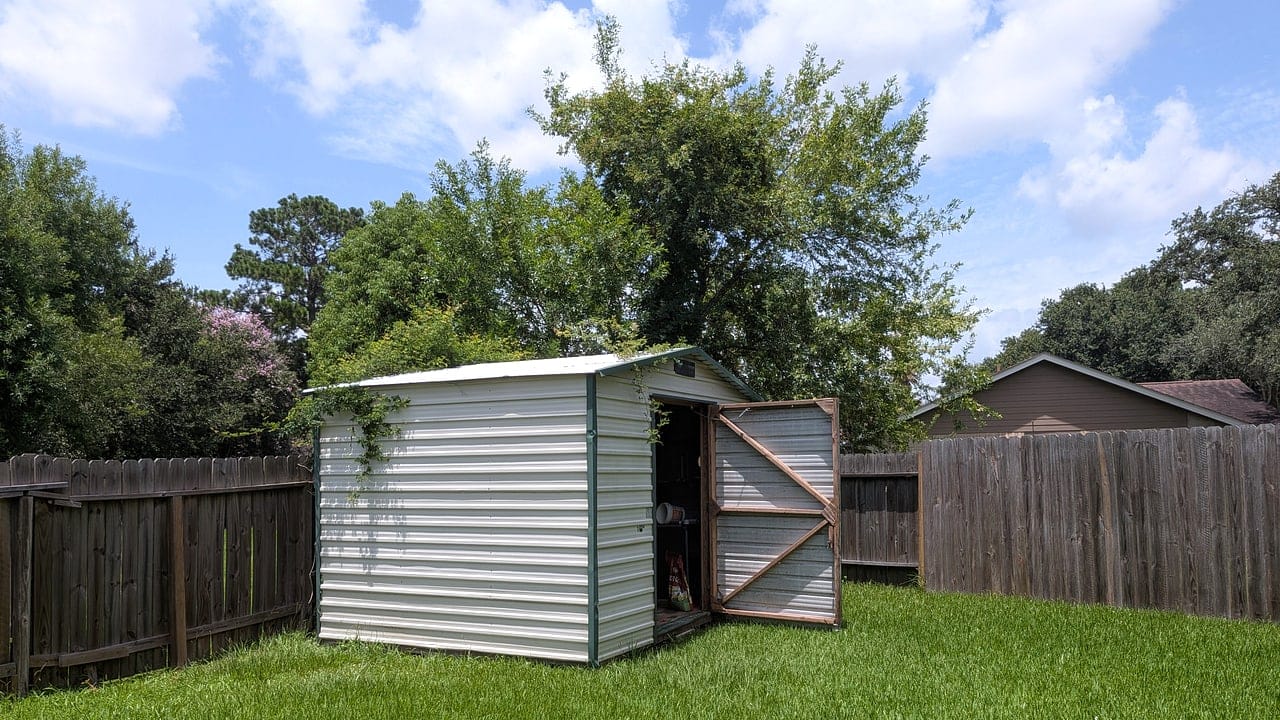
Acreage properties throughout Brazoria, Fort Bend, and Montgomery counties frequently feature extensive auxiliary structures: detached multi-car garages, metal workshops, RV storage barns, guest casitas, and custom "barndominiums." While these structures offer immense utility, they are frequently constructed without municipal building permits or professional engineering oversight, harboring critical structural and electrical deficiencies.
1. Post-Frame vs. Monolithic Slab Engineering
Unlike standard residential slab-on-grade foundations with reinforced grade beams, pole barns and post-frame structures rely on vertical treated wooden posts or red-iron steel columns anchored into drilled concrete piers. Inspectors verify column embedment depths, base plate anchor torque, diagonal wind-sway knee bracing, and purlin roof connections to ensure resistance against hurricane-force wind uplift.
2. NEC Article 250: Detached Subpanel Grounding
The single most prevalent electrical deficiency in detached workshops is improper subpanel wiring:
- Floating Neutral Busbar: In a detached structure, the main bonding jumper (screw or strap) between the neutral bus and panel enclosure MUST be removed. Neutrals and grounds must be kept completely isolated.
- Grounding Electrode System: Detached structures supplied by a feeder circuit must have their own independent grounding electrode system (typically two 8-foot copper ground rods connected via continuous 6 AWG copper wire).
- Feeder Conduit Burial Depth: Direct-burial UF cable requires 24 inches of soil cover; PVC conduit requires 18 inches. Shallow electrical trenches are severe shock hazards during lawn grading.
3. Spray-Foam Insulation & Barndominium Vapor Retarders
In conditioned barndominiums, closed-cell spray polyurethane foam (SPF) is sprayed directly against metal siding panels. If the foam application lacks thermal barrier ignition protection (such as 1/2-inch gypsum board or intumescent paint), it violates fire codes. Furthermore, improper vapor retarder placement causes condensation on metal panels, rotting wooden girts from the inside out.
4. Forensic Diagnostic Equipment & Quality Assurance Protocols
Specialized environmental and forensic property diagnostics require calibrated laboratory-grade instrumentation. In our regional assessments across Houston, Galveston, and Brazoria, Secured Inspections follows strict chain-of-custody and quality assurance standards:
- Calibrated Instrumentation: Utilizing high-resolution FLIR® thermal imaging cameras, Tramex non-invasive impedance moisture meters, and digital pin probes verified against standard calibration blocks prior to field deployment.
- AIHA and NELAP Accredited Laboratories: All biological spore trap cassettes, lead-based paint dust wipe samples, and drinking water collection vials are shipped under strict chain-of-custody protocols to third-party accredited laboratories for independent microscopic and chemical analysis.
- Environmental Baseline Controls: Pulling duplicate indoor and outdoor control samples under identical temperature, barometric pressure, and humidity conditions to eliminate false positives and establish true indoor amplification.
- Texas Statutory Regulatory Compliance: Operating under active licenses issued by the Texas Department of Licensing and Regulation (TDLR Mold Assessment Consultant #1974) and Texas Department of Agriculture Structural Pest Control Service (SPCS #089201).
Whether diagnosing hidden subterranean cast iron pipe failures, toxic fungal contamination, or unbonded gas piping hazards, our laboratory-backed findings provide unambiguous documentation to protect occupant health and real estate equity.
Need an Objective Forensic Property Inspection?
Residential Pre-Purchase, ASTM E2018 Commercial PCAs, Termite WDI, Sewer Camera Scopes, and FLIR Thermal Infrared diagnostics across Greater Houston, Galveston, and Brazoria.
