
Plumbing issues can range from minor inconveniences to major water damage and costly repairs. During your home inspection, paying close attention to the plumbing system can help you identify potential problems before they escalate.
Here are some tips on how to spot plumbing problems during a home inspection
- Check Water Pressure: Turn on faucets and showers to assess the water pressure. Low pressure can indicate leaks or blockages.
- Inspect for Leaks: Look for any visible leaks under sinks, around toilets, and in exposed pipes. Check for signs of past leaks, such as water stains or corrosion.
- Examine Drains: Run water in sinks and showers to ensure drains are flowing freely and not backing up. Listen for any gurgling sounds that could indicate a blockage.
- Check Toilets: Flush toilets to ensure they flush properly and don't have any leaks around the base.
- Look for Discolored or Foul-Smelling Water: These can be signs of underlying plumbing issues or problems with the water supply.
If you observe any of these plumbing red flags, make sure to point them out to your home inspector. They will further evaluate the plumbing system and identify any necessary repairs or replacements. Addressing plumbing issues early can prevent significant water damage and costly repairs in the future.
Protect your investment from potential plumbing nightmares with a detailed inspection from Secured Inspections.
Schedule your home inspection with us today. https://www.securedinspections.com/s/appointments
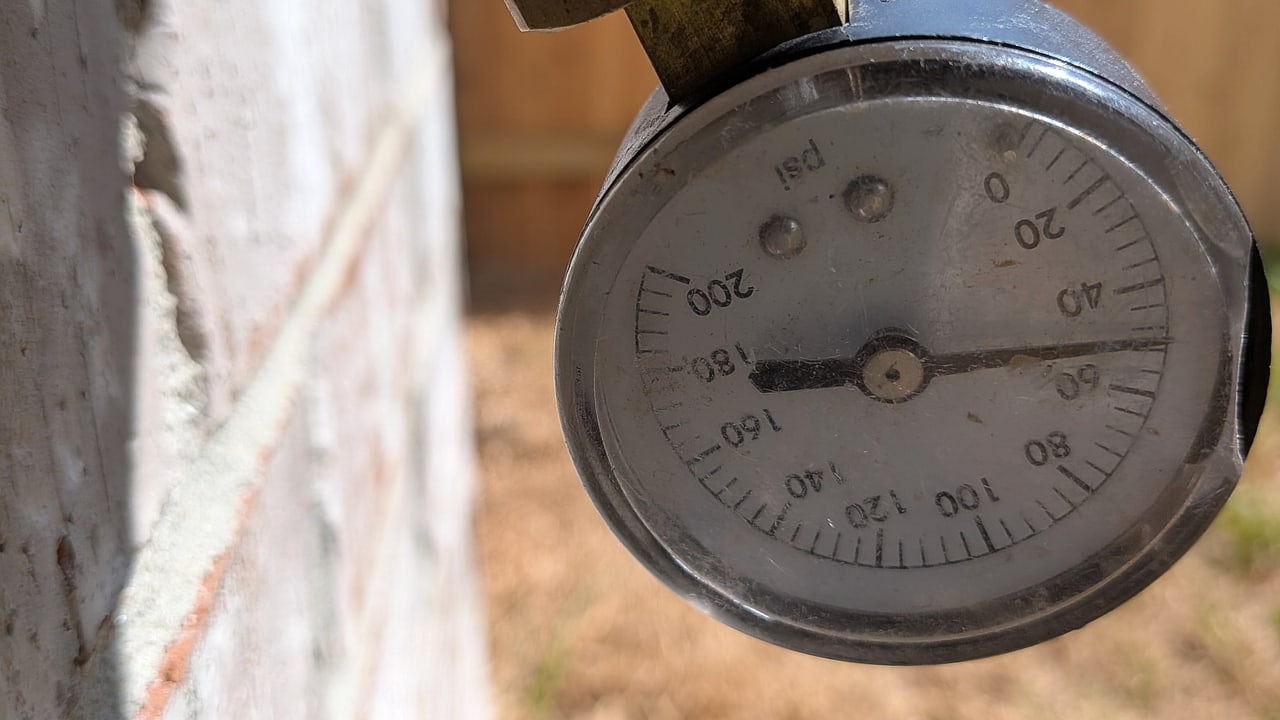
Static Water Supply Pressure: The 80 PSI Code Threshold
Under the International Plumbing Code (IPC Section 604.8) and local Texas municipal codes, static residential water supply pressure must never exceed 80 pounds per square inch (PSI). High municipal main pressure frequently spikes to 100+ PSI in rapidly expanding suburban areas. Operating at elevated pressures stresses copper soldered joints, ruptures braided stainless steel washing machine hoses, causes toilet fill valves to fail, and voids appliance manufacturer warranties. Where static pressure exceeds 80 PSI, a calibrated Pressure Reducing Valve (PRV) and expansion tank are mandatory.
Supply Pipe Material Forensics: Polybutylene, CPVC, & PEX
The chemical composition of supply plumbing dictates its longevity in Texas:
- Polybutylene (PB / Quest Piping): Grey plastic piping installed from 1978 to 1995 that reacts with municipal chlorine, causing micro-fracturing and catastrophic indoor pipe bursts. Most Texas insurers refuse coverage until completely re-piped.
- Chlorinated Polyvinyl Chloride (CPVC): Yellowish rigid plastic piping that becomes extremely brittle after 10 to 15 years of exposure to hot attic temperatures, shattering under minor mechanical vibration.
- Cross-Linked Polyethylene (PEX): Modern flexible tubing (PEX-A and PEX-B). Inspectors audit for proper support spacing, protection against UV degradation, and verification that crimp rings or expansion sleeves meet ASTM F877 standards.
Underground Cast Iron Mainline Degradation & Camera Scopes
In Texas homes constructed prior to the mid-1980s, waste drainlines beneath concrete slab foundations were plumbed with cast iron piping. Over decades, hydrogen sulfide sewer gas reacts with moisture to form sulfuric acid, eating away the top crown of the pipe, while abrasive wastewater cuts deep bottom channels. Left uninspected, pipes collapse or develop massive root-choked bellies. A specialized HD sewer scope inspection traverses 100+ feet of waste lines out to the city tap, catching costly failures before purchase.
Need an Objective Forensic Property Inspection?
Residential Pre-Purchase, ASTM E2018 Commercial PCAs, Termite WDI, Sewer Camera Scopes, and FLIR Thermal Infrared diagnostics across Greater Houston, Galveston, and Brazoria.
