

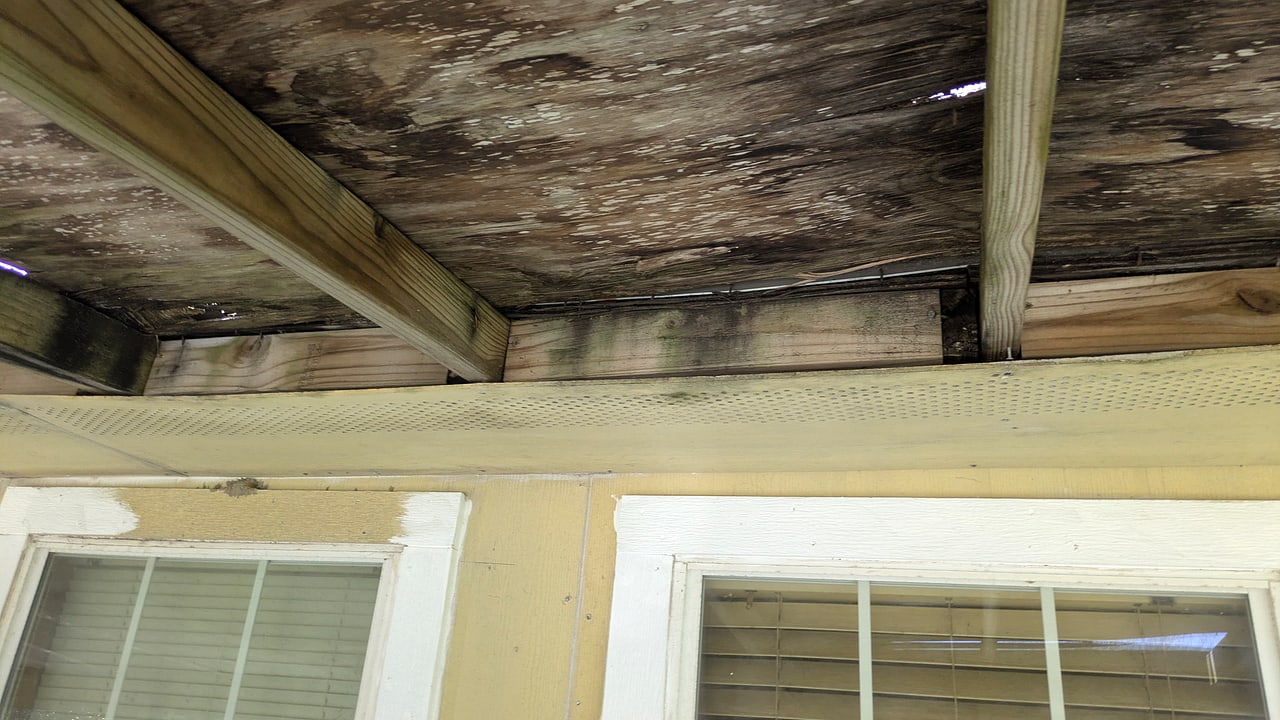
A thorough home inspection is your frontline defense against unexpected problems. Among the most concerning issues is water damage, which can indicate underlying leaks, structural weaknesses, and potential mold growth. Knowing how to spot the telltale signs of water damage during your inspection can save you significant headaches and expenses down the road.
Here are some tips on how to spot water damage during a home inspection
Use Your Senses: Don't just rely on your eyes. Pay attention to any musty or damp smells, which can be strong indicators of hidden moisture.
Look for Visual Clues on Walls and Ceilings: Examine walls and ceilings for discoloration, water stains (even if dry), peeling paint or wallpaper, and bubbling or sagging areas.
Check Around Plumbing Fixtures: Carefully inspect areas around sinks, toilets, showers, and bathtubs for any signs of leaks or past water damage, such as staining or mildew.
Inspect Basements and Crawl Spaces: These areas are particularly vulnerable to moisture. Look for dampness, standing water, mold growth, and water lines on walls.
Pay Attention to Exterior Walls and Foundations: Check for cracks, staining, or efflorescence (white, powdery mineral deposits) on exterior walls and the foundation, which can indicate water intrusion.
If you see any of these red flags, it is important to point them out to your home inspector. They will have the expertise and tools to further investigate the extent of the damage and its potential causes. Addressing water damage early can prevent more serious and costly problems in the future.
We are dedicated to helping you make informed decisions about your potential home purchase.
Contact Secured Inspections today to schedule a comprehensive inspection and gain peace of mind.
The Physics of Moisture Migration in the Gulf Coast Climate
In Southeast Texas, high ambient relative humidity (often exceeding 85%) combines with heavy subtropical rain events to create intense hydrostatic pressure on building envelopes. Water moves through structures via four primary mechanisms: gravity drainage, capillary suction through porous masonry, air-transported moisture through unsealed wall cavities, and vapor diffusion through drywall. Left undetected, hidden water breaches rapidly trigger timber decay and toxic fungal colonization.
Thermal Imaging & Calibrated Moisture Meter Diagnostics
Visual inspection alone is incapable of detecting water trapped behind drywall or under luxury vinyl plank (LVP) flooring. Secured Inspections utilizes calibrated FLIR infrared thermal imaging cameras to identify evaporative cooling patterns—distinct thermal signatures where evaporating moisture registers cooler than surrounding dry drywall. We then confirm the intrusion using non-invasive radiofrequency and pin-type digital moisture meters to establish exact Wood Moisture Equivalent (WME) percentages.
Top 4 Hidden Water Intrusion Vulnerabilities
- Master Shower Pan Failures: Unsealed tile grout or damaged rubber liners that leak into subflooring during extended flood tests.
- Roof Kickout Flashing Deficits: Where roof eaves intersect two-story vertical walls, dumping torrents of water directly into interior wall cavities.
- HVAC Attic Condensate Overflow: Clogged primary drain lines causing secondary overflow pans to leak through ceiling drywall.
- Window Flashing Deficiencies: Missing sill pan flashings allowing driven rainwater to rot bottom wall plates and subfloors invisibly.
Need an Objective Forensic Property Inspection?
Residential Pre-Purchase, ASTM E2018 Commercial PCAs, Termite WDI, Sewer Camera Scopes, and FLIR Thermal Infrared diagnostics across Greater Houston, Galveston, and Brazoria.
